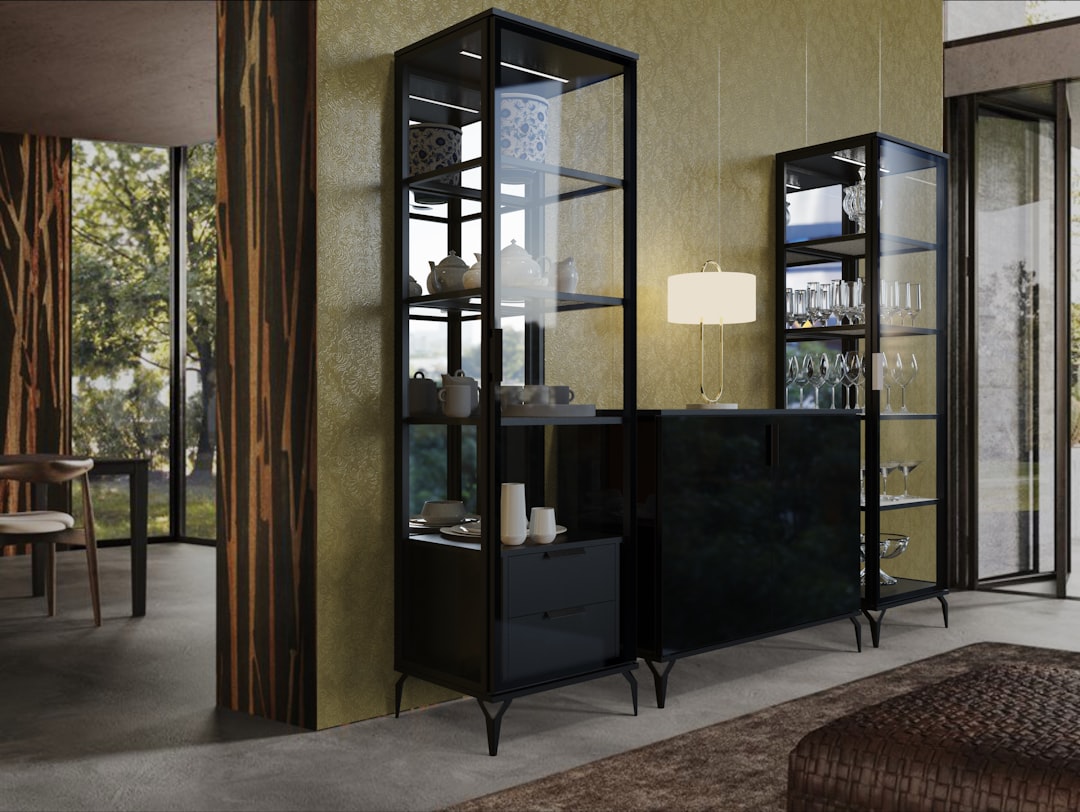
In many landed properties across Singapore, the formal living room often doubles as a showcase for cherished collections — porcelain tea sets passed down generations, crystal glasses reserved for Lunar New Year, or art glass figurines collected over decades. Display cabinets here aren’t just furniture; they’re heirloom guardians. Curio cabinets, with their intricate woodwork and glass panes, are a favourite for collectors — their compact size (around 150cm tall, 80cm wide) makes them ideal for tighter spaces while still offering ample shelving for smaller items like figurines or vintage cameras.
China cabinets, on the other hand, dominate larger rooms with their commanding presence — heights stretch to 200cm, widths often exceed 120cm. Designed to house full dinnerware sets, they’re a staple in homes hosting family gatherings or festive meals. The glass-fronted doors keep dust off delicate porcelain, while the lower cabinets provide hidden storage for table linens or serving platters. Open-fronted units, a modern twist, suit contemporary interiors; their minimalist frames and exposed shelves let collections take centre stage, though they’re less forgiving in homes prone to dust or curious pets.
Material choices matter too — rubberwood frames with tempered glass panels are common, offering durability without overwhelming the room’s aesthetic. For those prioritising security, cabinets with locking mechanisms or reinforced glass provide peace of mind, especially in homes with valuable heirlooms or high-traffic areas. Placement is key; a cabinet near natural light can enhance crystal’s sparkle, but direct sunlight risks fading delicate fabrics or antique finishes.
Singapore’s humidity doesn’t just frizz hair—it warps MDF shelves and fogs tempered glass within months if you skimp on materials. The moment you place a collectible in a display cabinet, you’re betting against 80% RH: particleboard blisters, veneers peel at the edges, and untreated wood joints swell until doors won’t close. Yet most display cabinets in landed properties—especially those flanking the staircase or lining formal living rooms—aren’t built for tropical endurance.
Look for aluminium-framed glass panels instead of solid wood doors; they won’t warp when the monsoon season hits. Tempered glass resists fogging better than standard options, while powder-coated metal frames avoid the rust streaks that plague cheaper models. For base materials, marine-grade plywood outperforms rubberwood in humid climates—it’s why boat builders use it—though you’ll pay 15–20% more.
Moisture-resistant finishes matter as much as core materials. High-gloss lacquers repel humidity better than matte paints, and UV-coated glass slows down the yellowing of displayed items. Avoid open-back designs if the cabinet sits against an exterior wall; condensation seeps in through gaps, leaving watermarks on heirloom china.
In compact spaces like 12 sqm HDB bedrooms, glass-fronted cabinets double as room dividers—just ensure the hinges are stainless steel, not chrome-plated. Older homeowners in landed properties often overlook ventilation; a single silica gel packet won’t cut it. Consider cabinets with discreet mesh panels or integrated dehumidifier slots.
Megafurniture’s display cabinets use tempered glass and aluminium frames, though you’ll still need to wipe down interiors fortnightly. The real test comes during December’s thunderstorms, when even the best seals fog up—that’s when cheap veneers start bubbling at the corners.
Display cabinets need tempered glass at least 6mm thick to withstand accidental bumps from excited pets. Thinner panes shatter into dangerous shards when a terrier's wagging tail connects at full speed. Opt for laminated glass in homes with large breeds—the plastic interlayer holds broken pieces together like a car windshield. Glass shelves should be no wider than 35cm to prevent bowing under the weight of a curious cat's midnight explorations. Avoid beveled edges that tempt pets to gnaw; polished square cuts are safer.
Magnetic childproof latches won't stop a determined corgi from nudging open cabinet doors with its nose. Spring-loaded bolt catches work better, requiring human-level dexterity to release—install them at both top and bottom for stability. For heirloom collections, consider keyed locks; pets can't pick them, though you'll sacrifice quick access. Test any mechanism by bumping it with your knee to simulate a 20kg dog's shoulder check. Latches should engage automatically when doors close to prevent forgetful owners from leaving vulnerabilities.
A display cabinet's center of gravity must stay low enough to resist 50kg of sideways force—roughly what a bulldog generates when scratching its back against furniture. Look for models with solid wood plinths extending at least 10cm beyond the glass enclosure. Wall-mounted units need heavy-duty brackets sunk into masonry, not just drywall anchors, to survive a cat's vertical launch. Avoid slender tapered legs that wobble when pets brush past; four-square pedestal bases distribute weight better. Some owners concrete the plinth directly into their landed property's flooring for earthquake-level stability.
High-gloss lacquers show every paw print and require daily polishing—go for matte finishes with micro-textured surfaces that hide light scratches. Thermally modified woods resist moisture warping from slobbering mastiffs better than untreated timbers. Metal frames should be powder-coated rather than painted; a Great Dane's claws will flake off cheap enamel in weeks. Interior shelves lined with non-slip rubberized fabric prevent collectibles from shifting during enthusiastic play sessions. Darker tones camouflage the inevitable light scuffs better than blonde woods.
Enclosed cabinets need mesh-backed panels to prevent humidity buildup that warps delicate items—position these where a schnauzer's snout can't reach. Adjustable vents along the top allow heat from LED lighting to escape without creating a chewable edge. Avoid decorative fretwork patterns that invite cats to hook their claws through the gaps. For crystal collections, maintain 60-70% humidity with built-in silica gel trays tucked beneath pet-proof grilles. Proper airflow also discourages mites that might irritate allergy-prone breeds sharing the space.
Opt for tempered glass or reinforced materials to ensure your display cabinet withstands potential impacts. Durable construction not only protects valuables but also deters tampering. Consider materials resistant to environmental factors like humidity or temperature changes for long-term security.
Invest in high-security locks, such as biometric or keypad systems, to restrict unauthorized access. Multi-point locking systems provide added reinforcement against forced entry. Regularly update or upgrade locking mechanisms to stay ahead of potential security threats.
Position your display cabinet in areas with natural surveillance, such as well-lit rooms or near windows. Avoid placing it in isolated corners or low-traffic areas where it’s easier for intruders to operate unnoticed. Ensure the cabinet is visible from common living spaces for added deterrence.
In many landed properties across Ang Mo Kio and Serangoon Gardens, buyers end up with display cabinets that dominate the room — a 200cm-tall curio cabinet crammed into a 12 sqm formal living room leaves little space for anything else. Oversized cabinets aren’t just a visual mismatch; they disrupt airflow in Singapore’s humid climate, causing moisture to collect on glass shelves and damage delicate heirlooms. Measure twice, buy once — a cabinet width exceeding 100cm in compact spaces often feels oppressive, especially when paired with heavy wooden finishes. Pet owners face another common oversight: open-fronted display units might look sleek, but they’re magnets for curious cats or playful dogs. A glass-fronted cabinet with secure latches is a safer bet, particularly for china or crystal collections. Humidity control is equally crucial — opt for cabinets with ventilation or moisture-resistant materials like rubberwood to protect sensitive items during Singapore’s monsoon season. Style mismatches are another pitfall. A modern, open-shelved unit clashes in a traditional Peranakan-inspired living room, while ornate curio cabinets feel out of place in minimalist interiors. Consider the room’s existing decor — a neutral finish like walnut or oak blends seamlessly in most homes, while bold colours or glossy finishes risk overwhelming the space. For landed properties with formal dining areas, a
with adjustable shelves offers both functionality and elegance. Finally, don’t underestimate the importance of lighting. A poorly lit display cabinet obscures its contents, rendering it more storage than showcase. Integrated LED strips or adjustable spotlights highlight collectibles without overheating the interior — a subtle detail that elevates the entire piece.
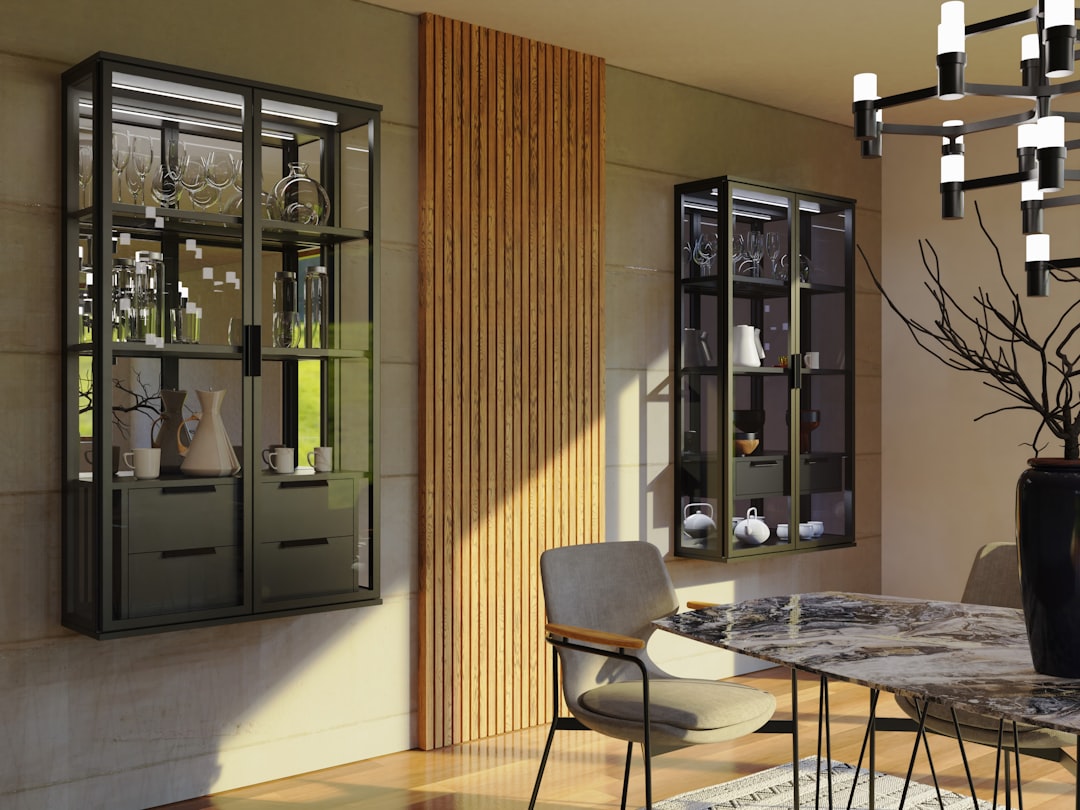

Megafurniture’s display cabinets solve two uniquely Singaporean problems: warping in humid weather and curious pets knocking over collectibles. Their tempered glass shelves come standard with anti-tip brackets—a necessity for landed properties where uneven floors are common. You’ll find rubberwood frames treated against moisture damage, and some models even feature lockable doors with keyless PIN pads for heirloom china. The Joo Seng showroom arranges their cabinets by use case—one corner mimics a shophouse living room with Peranakan tiles, another stages a modern condo’s entryway. Look for the 180cm-wide model with LED strip lighting; it’s designed specifically for displaying crystal under Singapore’s harsh downlights without glare. Their Tampines outlet goes further, demonstrating how to secure a curio cabinet against earthquakes (rare) and overly enthusiastic helpers (common). What sets them apart isn’t just the hardware. Their consultants know that most buyers aren’t shopping for aesthetics alone—they’re guarding against grandchildren, maids, and the occasional monitor lizard. The pet-proof range uses 5mm-thick glass doors with silicone gaskets to dampen vibrations from slamming, while still showing off Blue Willow porcelain to full effect. For landed properties, their
display cabinet collectionincludes wall-mounted options that free up floor space for cleaning. The darker walnut finishes hide fingerprints better than glossy white—a practical choice for homes with kids or frequent gatherings. Some models even integrate discreet cable channels for lighting, avoiding the tangled wires that plague older display units. Their humidity-resistant MDF won’t swell at the joints like cheaper particleboard, though you’ll pay for it—expect S$1,200–2,400 for cabinets wide enough to flank a landed home’s staircase. That’s still less than replacing water-damaged Chinoiserie or scratched Lalique. The security features are subtle: recessed hinges, magnetic child locks, and glass so heavy it takes two adults to lift.
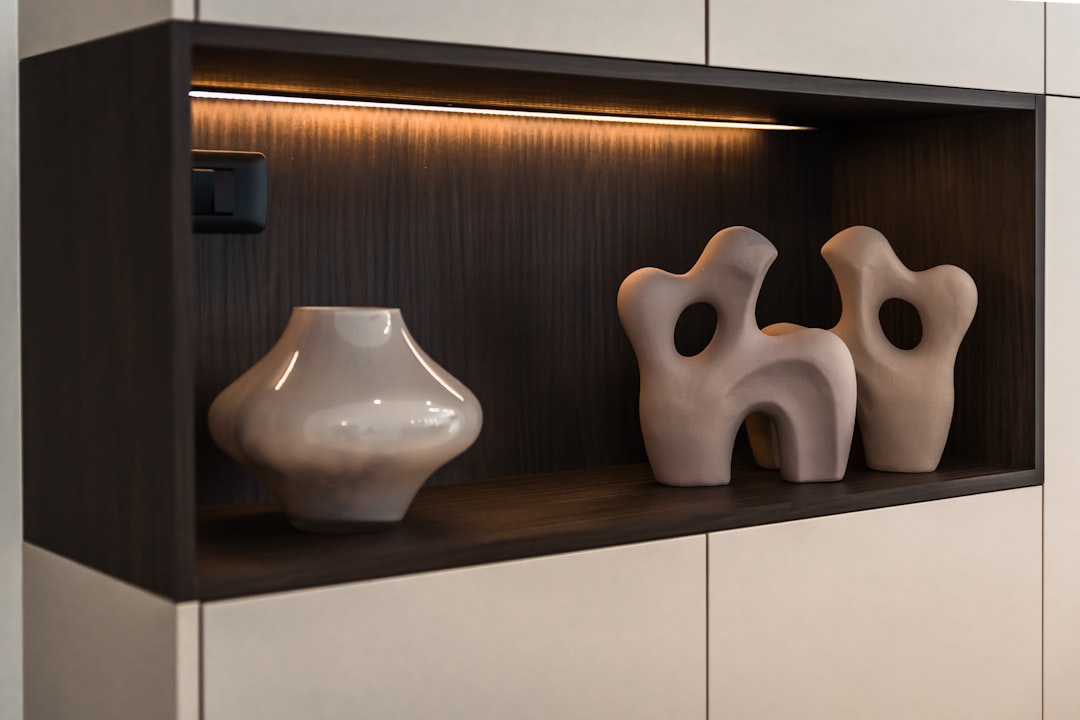
Display cabinets often arrive in flat-pack form, but don’t assume assembly will be a quick weekend project. Units over 150cm tall or with glass panels typically require professional installation — especially in landed homes where uneven floors can complicate alignment. Many buyers underestimate the time and tools needed; a misaligned hinge or shaky shelf can ruin the entire piece’s stability. Delivery timelines in Singapore vary widely, with some retailers offering next-day service while others take up to three weeks — a crucial factor if you’re coordinating with other renovations or moving plans. Always confirm the delivery window before committing, especially during peak periods like year-end holidays.
Humidity in Singapore poses unique challenges for display cabinets, particularly those housing delicate collectibles or heirlooms. Warranties often exclude moisture-related damage, so it’s worth checking if the policy covers warping, mould, or rust on hinges and locks. Some manufacturers offer extended warranties for an additional fee, which can be a smart investment for landed properties exposed to higher humidity levels. Look for terms that cover both structural integrity and functional components like doors and drawers — these are the first to show wear in tropical conditions.
Assembly services aren’t just a convenience; they’re often a necessity for larger cabinets. Professional installers ensure the unit is level, secure, and properly anchored — critical for preventing accidents in homes with children or pets. Many retailers bundle assembly with delivery, but it’s not always included in the base price. Factor this into your budget upfront; paying an extra $100–$200 for peace of mind is better than discovering a crooked cabinet after hours of DIY frustration.
Display cabinets in Singapore homes often become accidental humidity gauges—if your Limoges teacups develop a fine mist by mid-afternoon, it’s time to reassess your storage strategy. For collectors in 12 sqm HDB bedrooms, opt for wall-mounted units under 140cm wide; anything bulkier swallows walking space whole. Pet owners should skip open shelving entirely—one enthusiastic tail wag can topple a decade’s worth of ceramic elephants.
Humidity-resistant materials matter more than aesthetics here. Tempered glass doors with silicone seals outperform cheaper acrylic panels that warp within two monsoon seasons; solid rubberwood frames withstand Bukit Timah’s dampness better than MDF alternatives. Budget S$1,200–S$2,400 for cabinets with built-in dehumidifier compartments—they’re pricier upfront but prevent your Peranakan porcelain from developing that distinctive musty patina.
Serious collectors need to think beyond IKEA Billy bookcase conversions. Heirloom displays demand internal lighting that doesn’t emit UV (LED strips at 3000K or warmer), while action figure enthusiasts require adjustable shelving to accommodate unpredictable box sizes. Glass thickness matters too—3mm panels flex alarmingly when loaded with crystal decanters, whereas 5mm stays rigid.
Landowners with sprawling living rooms face different issues altogether. A 180cm-wide cabinet might look proportionate in a semi-detached house, but becomes an obstacle course when placed between the main door and staircase. Consider shallow-depth designs (under 35cm) for corridors—they display collections without forcing sideways shuffling.
For those needing serious storage solutions, Megafurniture’s collection includes display cabinets with lockable compartments—handy when your antique silverware coexists with toddlers or overly curious domestic helpers. Just remember: no cabinet survives Singapore without monthly waxing of wooden surfaces and quarterly hinge lubrication.
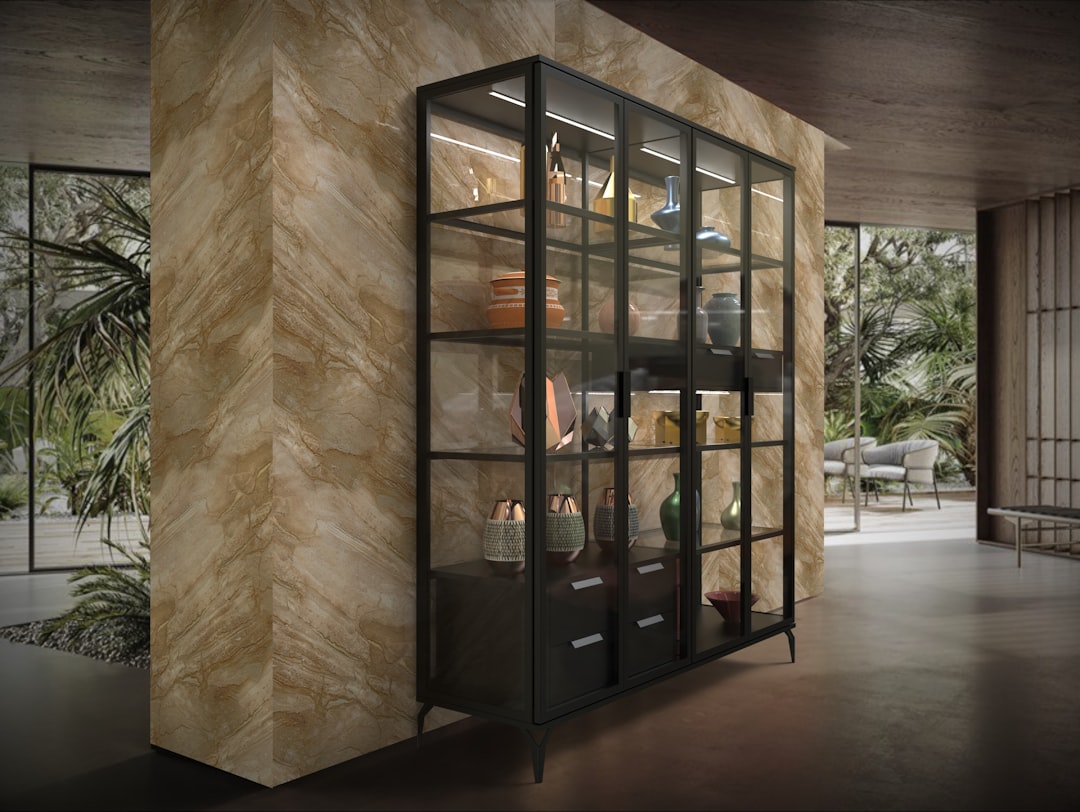
The last tape measure reading always surprises buyers — that 120cm gap between the sofa and dining table in a 4-room BTO isn’t wide enough for most display cabinets, despite what the floor plan suggests. Humidity’s the silent killer here; teak and rubberwood hold up better than MDF in landed properties near East Coast, where salt air sneaks in through every vent.
Pets complicate things more than buyers anticipate. That open-fronted display unit might showcase crystal perfectly in a Tiong Bahru shophouse, but it’s a death trap for heirlooms if there’s a curious tabby who views shelves as obstacle courses. Glass doors with child locks aren’t just for toddlers — they’re the only defence against a determined corgi’s snout.
Formal living rooms demand different maths than HDB spaces. A 200cm curio cabinet fits perfectly along the staircase wall of a Joo Chiat terrace house, but would dominate a 12 sqm HDB living room. Buyers often forget to account for door swing clearance; that gorgeous 90cm-wide china cabinet needs another 50cm of breathing room when opened.
Prioritise what you’ll actually use. The LED-lit, humidity-controlled display cases look impressive in showrooms, but most collectors just need a dust-free space to display their Peranakan porcelain — tempered glass doors and soft-closing hinges do the job without the fuss.
Budget dictates more than buyers admit. A proper solid wood display cabinet starts around $1,200, while the glass-and-metal versions hover near $600 — but neither survives a direct hit from a football in a household with teens.